
Solar Drying Opportunities in Himachal Pradesh
Himachal Pradesh has a diverse horticultural economy supported by apples, pears, plums, peaches, apricots, citrus fruits, kiwifruit, vegetables, ginger, spices, medicinal plants and aromatic crops. Official Himachal Pradesh horticulture material identifies different fruit, vegetable, spice, medicinal and aromatic plant opportunities across the state’s agro-climatic zones.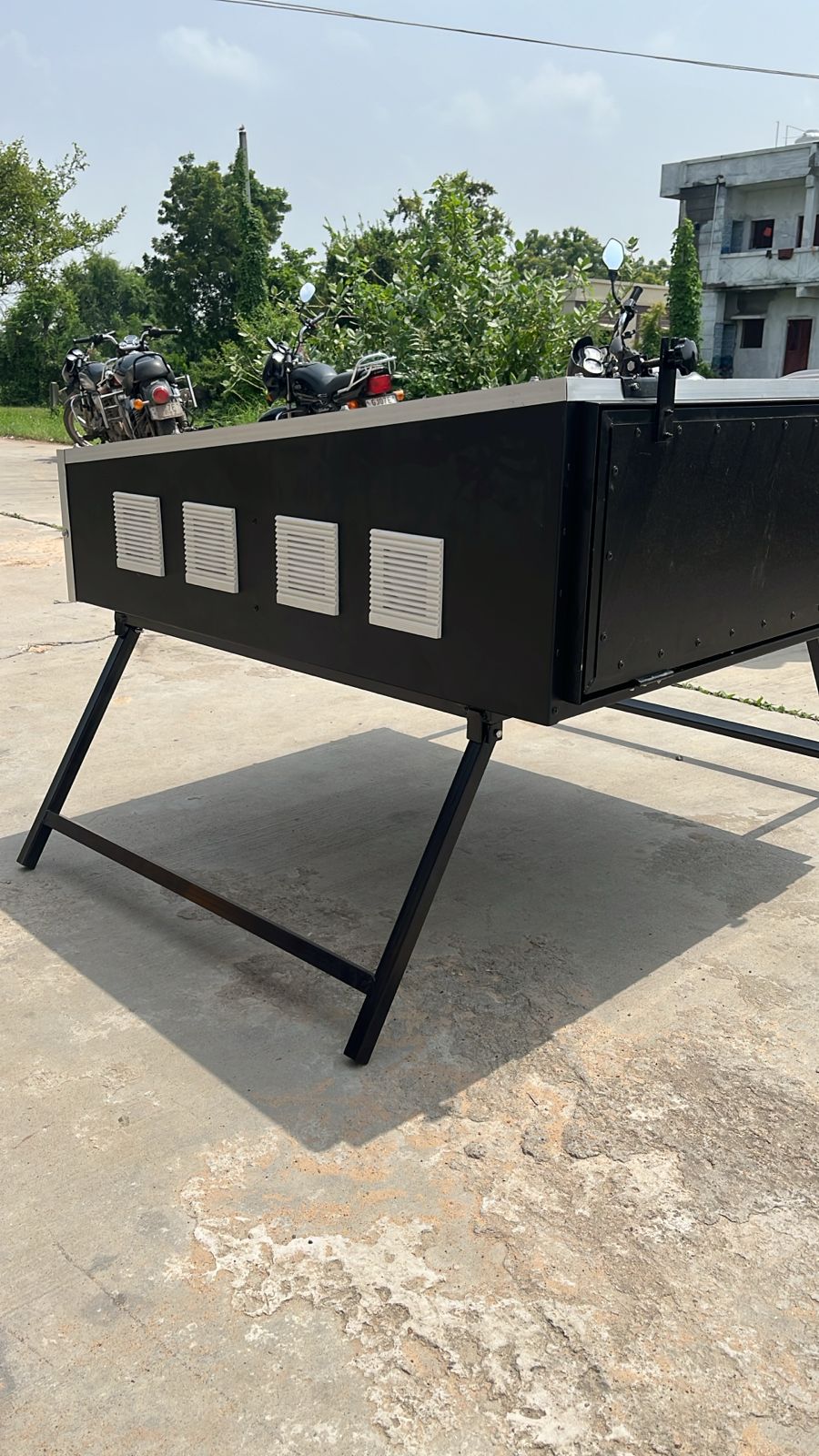
Fresh fruits, vegetables, herbs and spices contain moisture and may deteriorate when they are not marketed, processed or stored within the required period. Commercial solar drying can support farmers, FPOs, SHGs, cooperatives, food-processing MSMEs and rural enterprises that want to convert technically suitable produce into dried ingredients or value-added products through an enclosed and organised moisture-reduction process.
Rudra Solar Energy provides requirement-based commercial solar drying solutions in Himachal Pradesh for agricultural processing, horticultural value addition and food-processing applications.
Agricultural Products with Solar Drying Potential
Depending on technical suitability and the intended final product, commercial solar dryers may be evaluated for:
- apple slices and apple-processing by-products
- plum, peach and apricot slices
- pear and selected citrus products
- kiwifruit slices
- ginger and garlic
- chilli and suitable spices
- peas and selected vegetables
- mushroom
- leafy herbs
- medicinal and aromatic plants
- flower petals and botanical materials
- selected seasonal horticultural surplus
Every product behaves differently during drying. Initial moisture, maturity, variety, slice thickness, pretreatment, tray loading, sunlight, humidity, airflow and required final moisture can influence drying performance.
Therefore, the dryer configuration and expected capacity should be selected according to the actual product and daily fresh quantity rather than using one standard drying schedule for every crop.
Commercial Solar Drying of Apples
Apple is one of the most important horticultural products associated with Himachal Pradesh, and official state sources identify apple as a key fruit crop.
Fresh apples require timely grading, marketing or processing. Fruit that is technically suitable for value addition may be considered for:
- dried apple slices
- apple rings
- ingredients for bakery or cereal products
- fruit-based snack products
- selected processing by-products
Before drying, apples may require washing, grading, coring, peeling where needed, slicing and product-specific pretreatment.
Uniform slice thickness is important because thick and thin pieces may lose moisture at different rates. The intended texture, colour and final moisture should be defined before commercial-scale production.
A solar dryer only supports moisture reduction. It does not automatically produce a finished packaged snack or guarantee a specific colour, taste or shelf life without suitable processing, packaging and storage practices.
Solar Drying of Plum, Peach and Apricot
Stone fruits such as plum, peach and apricot can be highly perishable after harvesting. Drying may create opportunities for developing sliced fruit products, ingredients or other value-added applications.
Commercial solar drying may support:
- organised tray-based loading
- reduction of direct outdoor exposure
- improved separation of fruit batches
- easier inspection during processing
- preparation of products for further packaging
Fruit maturity, sugar content, size, slicing method and pretreatment can affect drying behaviour. Product-specific trials may be required before selecting a large commercial capacity.
Seeds or stones should be removed where the intended process requires it, and fruit pieces should be arranged in a practical layer rather than overloaded on trays.
Solar Drying of Pear, Citrus and Kiwifruit
Himachal Pradesh’s horticultural zones also support pear, citrus fruits and kiwifruit.
Potential applications may include:
- pear slices
- citrus slices
- citrus peel
- kiwifruit slices
- ingredients for beverage, bakery or food-processing use
Citrus fruits and peel contain oils, acids and moisture that influence drying. Kiwifruit and pear may also require careful cutting and handling because of their texture and sugar content.
The final drying process should be selected according to the target product rather than assuming that all fruits can be processed under the same conditions.
Solar Drying of Ginger, Garlic and Spices
Official state sources identify ginger and potato among crops monitored under agricultural crop-estimation activity in Himachal Pradesh, while horticultural planning also includes spices across suitable agro-climatic zones.
Commercial solar dryers may be considered for:
- sliced ginger
- dried ginger pieces
- garlic slices or flakes
- chilli
- selected spice materials
- ingredients intended for further grinding
Ginger and garlic should be properly cleaned and prepared before loading. Thick roots or uneven pieces may require slicing to support more uniform moisture reduction.
Drying is only one processing stage. Grinding, powder production, blending and packaging require separate equipment and quality-control practices.
Solar Drying of Vegetables and Mushroom
Himachal Pradesh produces vegetables under different climatic conditions, including potato and other temperate and seasonal crops.
Depending on product suitability, solar drying may be evaluated for:
- peas
- carrot
- leafy vegetables
- onion
- garlic
- chilli
- mushroom
- selected sliced vegetables
Vegetables may require washing, sorting, cutting, blanching or another product-specific pretreatment before drying.
Mushroom contains high moisture and requires hygienic handling, uniform slicing and suitable tray loading. Overloading can slow moisture removal and affect the final product.
Medicinal and Aromatic Plant Drying
Himachal Pradesh’s horticultural and agricultural framework includes medicinal and aromatic plants as recognised crop categories.
Commercial solar drying may support selected applications involving:
- medicinal leaves
- aromatic herbs
- roots
- flowers
- petals
- botanical ingredients
- herbal tea materials
These products can be sensitive to unsuitable temperature, excessive exposure or prolonged drying. Colour, aroma and active components may be affected if the process is not planned correctly.
A product-specific assessment is therefore important before selecting loading density, preparation method and expected drying cycle.
Why Solar Drying Is Relevant in Himachal Pradesh
Traditional open drying may be affected by:
- dust and outdoor contamination
- birds, insects and animals
- wind and sudden weather changes
- uneven exposure to sunlight
- repeated manual handling
- limited flat drying space
- difficulty managing separate batches
- changing mountain weather conditions
An enclosed commercial solar dryer can support:
- reduced direct outdoor exposure
- tray-based product organisation
- easier loading and unloading
- better batch separation
- improved utilisation of available space
- more systematic post-harvest processing
- value addition of selected horticultural produce
- reduced dependence on fuel-based heating during suitable sunny periods
Solar drying still depends on available solar radiation, ambient temperature, humidity, airflow, product preparation and correct operation. A solar dryer should not be promoted as an instant drying machine or as a system that delivers identical results in every location and season.
Solar Dryers for Hill-Based Farms and Rural Enterprises
Mountain farming areas may have limited level land, difficult transport conditions and small production clusters. These factors should be considered while planning a solar drying project.
Before selecting the installation site, the buyer should evaluate:
- exposure to sunlight
- shading from hills, buildings or trees
- safe access for loading and unloading
- level and stable installation area
- drainage during rain or snowfall
- wind exposure
- transportation access
- availability of labour
- raw-material collection radius
The machine configuration should remain practical for the actual project location rather than being selected only from a standard catalogue.
Solutions for Farmers and Farmer Producer Organisations
Farmers and FPOs may handle large seasonal quantities of apples, stone fruits, vegetables, ginger, herbs and other horticultural products.
A shared commercial solar dryer may support an FPO or cooperative in:
- aggregating produce from members
- organising common drying batches
- using selected seasonal surplus
- developing dried products
- preparing ingredients for further processing
- exploring retail, institutional or B2B markets
Before investing, the organisation should identify:
- priority product
- daily fresh quantity
- processing season
- current post-harvest losses
- intended dried product
- target buyers
- packaging requirement
- available manpower
- installation location
- project budget
A commercial drying unit should be supported by raw-material planning, operating procedures, moisture checks, packaging and market development.
Solar Dryers for Food Processing MSMEs
Food-processing MSMEs generally require a structured workflow covering:
- raw-material reception
- washing and grading
- cutting or slicing
- pretreatment
- tray loading
- moisture reduction
- product inspection
- unloading
- packaging
- storage
The solar dryer should be integrated into this complete processing workflow.
Important commercial considerations include:
- daily fresh input quantity
- number of batches
- expected dried output
- desired final moisture
- labour availability
- seasonal utilisation
- packaging type
- quality-control method
- future capacity expansion
The fresh input capacity should not be confused with final dried-product weight, because moisture reduction changes the product weight during processing.
Selecting the Right Commercial Solar Dryer
A suitable commercial solar dryer in Himachal Pradesh should be selected after reviewing:
Product Type
Apple slices, ginger, herbs and mushroom do not have identical drying requirements.
Daily Fresh Quantity
Capacity should be calculated according to the fresh material loaded per day or per batch.
Product Preparation
The supplier should know whether the material will be whole, sliced, peeled, blanched, crushed or pretreated.
Final Product Requirement
The intended output may be a snack, spice ingredient, herbal material, processing input or product intended for further grinding.
Site and Climate
Sunlight exposure, elevation, humidity, seasonal temperature, snowfall, rainfall and shade can affect project planning.
Available Space
The dryer should be selected according to a practical and accessible installation site.
Operating Season
A project used only during one fruit season may require a different business plan from a multi-product unit operating across several months.
Requirement-Based Solutions from Rudra Solar Energy
Rudra Solar Energy provides commercial solar drying solutions for agricultural, horticultural, herbal and food-processing applications.
Our approach begins with understanding:
- product name
- daily fresh quantity
- whole or sliced form
- current drying method
- intended final product
- operating season
- available space
- project location
Based on these details, a suitable commercial solar dryer configuration can be evaluated.
Solutions may be relevant for:
- individual farmers
- orchard owners
- FPOs
- cooperatives
- Self-Help Groups
- rural entrepreneurs
- fruit processors
- spice processors
- herbal-product businesses
- food-processing MSMEs
- institutional projects
- commercial industries
Every product and project is different. Therefore, one standard capacity, temperature or drying time should not be presented as suitable for all applications.
Building a Solar Drying Enterprise in Himachal Pradesh
A successful solar drying business requires more than purchasing a machine.
The enterprise should also plan:
- regular raw-material supply
- product-specific preparation
- hygienic handling
- uniform tray loading
- moisture evaluation
- food-safe packaging
- storage conditions
- branding and labelling
- market research
- buyer development
- cost calculation
- seasonal production planning
Solar drying can support the moisture-reduction stage, but commercial success depends on product quality, packaging, compliance, pricing and access to suitable markets.
Discuss Your Solar Dryer Requirement in Himachal Pradesh
For a suitable commercial solar drying solution in Himachal Pradesh, share the following details with Rudra Solar Energy Private Limited:
- product name
- daily fresh quantity
- preparation method
- current drying process
- required final product
- operating season
- available installation space
- exact project location
- site and product photographs or videos
Based on these details, the requirement can be evaluated for an appropriate commercial solar dryer configuration.