
Uttar Pradesh has one of India’s broadest agricultural and food-processing ecosystems, creating significant potential for organised post-harvest drying and value addition. Farmers and processors across the state handle wheat, paddy, maize, pulses, potato, sugarcane, oilseeds, fruits, vegetables, spices, medicinal plants and other agricultural produce. Official Uttar Pradesh investment resources identify the state as a major producer of food grains, sugarcane, potatoes, peas, mangoes and Indian gooseberries, with a substantial base for horticulture and food processing.
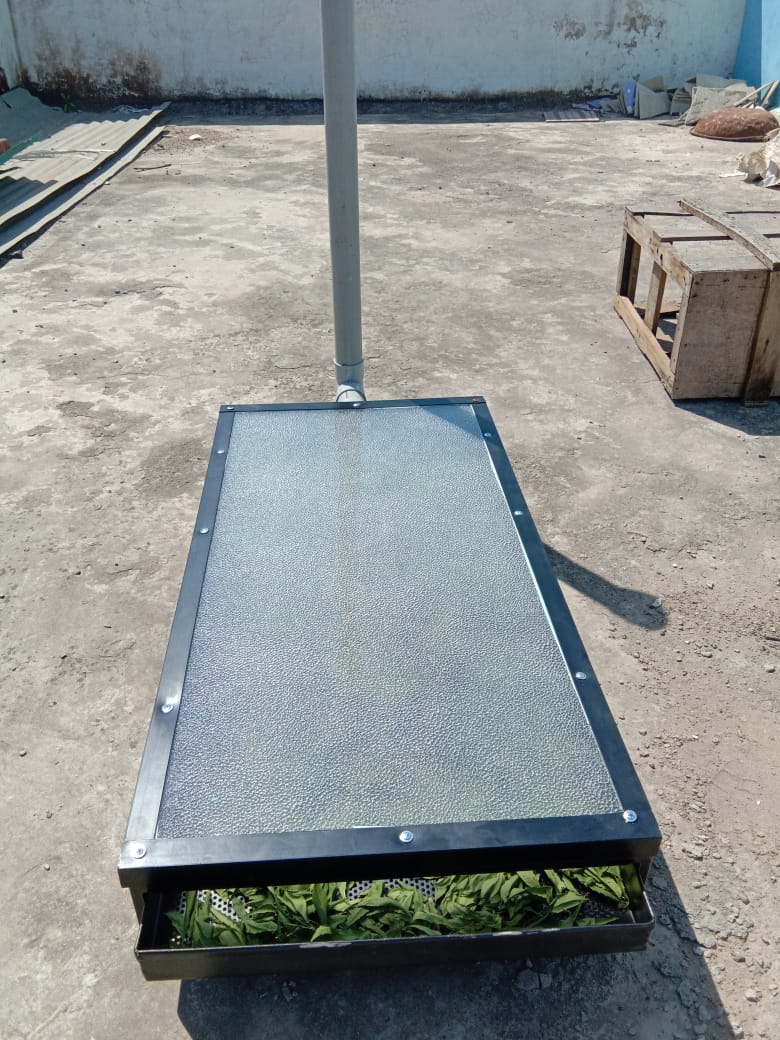
However, many agricultural products contain excess moisture at harvest or after washing, slicing and preparation. When moisture is not reduced correctly, produce may become difficult to store, mill, grind, grade, package or transport. Traditional open-sun drying can also expose food materials to dust, insects, birds, animals, sudden rainfall and uneven environmental conditions.
Rudra Solar Energy provides customised Commercial Solar Drying Solutions in Uttar Pradesh for farmers, Farmer Producer Organizations, Self Help Groups, cooperatives, agri-startups, MSMEs and food-processing industries. The system is planned according to the exact product, fresh daily quantity, moisture-removal requirement, processing season, installation location and required final output.
Why Uttar Pradesh Needs Commercial Solar Drying Solutions
Uttar Pradesh supports agricultural production across several distinct regions, including western Uttar Pradesh, central plains, Bundelkhand, eastern Uttar Pradesh and the Terai belt. Crop patterns, rainfall, humidity, product availability and processing requirements can vary significantly across these areas.
The state grows crops such as wheat, paddy, maize, potatoes, sugarcane, pulses, oilseeds, mangoes, amla and a wide range of fruits and vegetables. Its Agriculture Export Policy also identifies wheat, maize, paddy, potato, sugarcane, pulses, oilseeds and horticultural crops as important parts of the state’s agricultural base.
Farmers and food businesses may face post-harvest challenges such as:
- Produce arriving in large quantities during short harvesting periods
- Dependence on immediate fresh-market sales
- Moisture-related storage difficulties
- Exposure during roadside or courtyard drying
- Sudden weather changes
- Uneven drying across thick product layers
- Requirement for large open spaces
- Repeated handling during day and night
- Limited opportunities for value-added product development
A Commercial Solar Dryer in Uttar Pradesh creates an enclosed, tray-based environment where suitable products can be dried using solar thermal energy and organised airflow.
The system helps reduce direct environmental exposure, but it should not be described as a completely automatic or weather-independent machine. Performance depends on sunlight, humidity, initial product moisture, airflow, tray loading, preparation and the selected system design.
Cleaner Drying Compared with Open-Sun Methods
Traditional open drying may involve spreading agricultural produce on:
- Roadsides
- Rooftops
- Courtyards
- Open fields
- Tarpaulin sheets
- Cemented platforms
These methods may be inexpensive initially, but they can expose produce to dust, insects, birds, animals and sudden rain. Products may also absorb atmospheric moisture again during the evening or overnight.
An enclosed solar dryer offers:
- Protected tray-based handling
- Reduced direct exposure to dust and insects
- Better protection from unexpected rainfall
- More organised airflow
- Easier batch observation
- Reduced dependence on large open-drying areas
- Better suitability for packaged and processed food ingredients
- More professional handling for commercial buyers
The dryer does not eliminate the need for hygiene, sorting, moisture testing, packaging or storage. These remain essential parts of the complete processing workflow.
Solar Drying of Wheat, Paddy, Maize and Other Grains
Food grains form an important part of Uttar Pradesh’s agricultural economy. Suitable solar drying systems may support moisture reduction in wheat, paddy, maize and other grains before storage, milling, grading, transportation or processing.
Important grain-drying factors include:
- Initial moisture level
- Required final moisture
- Grain variety
- Food or seed application
- Loading depth
- Airflow requirement
- Batch quantity
- Intended storage duration
- Processing season
Grains should not be placed in excessively deep layers because moisture may remain trapped within the batch. Correct tray loading and airflow are necessary for more uniform moisture reduction.
For seed-quality grains, temperature management requires additional attention. Excessive temperature may affect germination and seed performance. A system required for seed drying should therefore be evaluated separately from a general food-grain dryer.
A solar dryer only reduces moisture. It does not:
- Mill paddy into rice
- Grind wheat into flour
- Roast maize
- Produce puffed grains
- Automatically clean or grade grains
These operations require separate machinery.
Commercial Solar Dryer for Potato Processing
Uttar Pradesh has a substantial potato-production and processing base, making potato value addition an important application area. Official state food-processing material places Uttar Pradesh among the leading potato-producing states.
Suitable solar-drying applications may include:
- Dehydrated potato slices
- Potato cubes
- Ready-to-cook potato ingredients
- Raw material for flakes after additional processing
- Potato powder raw material after separate grinding
- Food-industry ingredients
Potatoes generally require preparation before drying:
- Sorting
- Washing
- Peeling
- Uniform slicing or cutting
- Suitable blanching or product-specific pre-treatment
- Draining surface moisture
- Tray loading
- Drying
- Cooling
- Moisture checking
- Packaging
Uniform thickness is important because thin and thick potato pieces dry at different speeds.
The solar dryer should not be represented as producing fried chips. It removes moisture and does not fry, roast or cook the product in oil.
Mango, Amla and Fruit-Processing Applications
Uttar Pradesh is strongly associated with mango and Indian gooseberry production, while the state also supports guava, banana, papaya, citrus fruits and other horticultural crops.
Commercial solar drying can support products such as:
- Dried mango slices
- Raw mango ingredients
- Mango powder raw material after grinding
- Dried amla slices
- Amla powder raw material
- Guava slices
- Banana pieces
- Papaya slices
- Citrus peel
- Mixed dried fruit ingredients
- Bakery and beverage ingredients
Fruit processing may require:
- Sorting by quality and ripeness
- Hygienic washing
- Peeling
- Deseeding
- Uniform slicing
- Product-specific pre-treatment
- Proper draining
- Even tray arrangement
- Controlled drying
- Cooling
- Moisture-resistant packaging
Fresh fruits generally contain substantial moisture. Therefore, the fresh input quantity and final dried output can differ significantly.
The dryer does not directly produce powders. Grinding, sieving and powder packaging occur after suitable drying and cooling.
Vegetable Dehydration Opportunities
Uttar Pradesh produces a wide range of vegetables, creating opportunities for organised dehydration and ingredient preparation.
Suitable applications may include:
- Tomato slices
- Onion flakes
- Garlic flakes
- Carrot pieces
- Beetroot slices
- Okra
- Peas
- Leafy vegetables
- Cauliflower ingredients
- Cabbage ingredients
- Seasonal mixed vegetables
Possible final uses include:
- Ready-to-cook vegetable mixes
- Soup ingredients
- Seasoning products
- Institutional-food ingredients
- Dehydrated vegetable packs
- Powder raw materials after separate grinding
Every vegetable requires a suitable preparation procedure. Some products may require blanching, while others may require peeling, slicing or another treatment.
Leafy vegetables generally require a thin loading layer and gentler drying conditions. Dense vegetables may require smaller and more uniform pieces.
One standard temperature or batch duration should not be assumed suitable for every vegetable.
Chilli, Turmeric, Ginger and Spice Processing
Commercial Solar Drying Solutions in Uttar Pradesh can also support technically suitable spice-processing applications.
Products may include:
- Chilli
- Turmeric
- Ginger
- Garlic
- Coriander
- Fenugreek leaves
- Mint
- Selected spice and herb materials
Possible outputs include:
- Dried chilli
- Turmeric fingers or slices
- Ginger slices
- Garlic flakes
- Dried herbs
- Spice raw materials
- Ingredients for separate grinding
For spices, processors often focus on:
- Cleanliness
- Colour
- Aroma
- Final moisture
- Foreign-matter control
- Uniformity
- Grinding suitability
- Packaging and storage
The dryer supports moisture reduction only. It does not grind spices or automatically produce powder.
Strong-smelling products should be processed in separate batches with proper cleaning to reduce odour transfer and cross-contamination.
Pulses, Legumes and Oilseed Applications
Uttar Pradesh’s agricultural base includes pulses and oilseeds that may require moisture management before storage, milling, grading, packaging or seed handling.
Suitable materials may include:
- Chickpeas
- Pigeon peas
- Lentils
- Green gram
- Black gram
- Field peas
- Mustard seeds
- Other suitable oilseeds
Whole pulses should not be shown turning directly into split dal inside the solar dryer.
The broader pulse-processing sequence may involve:
Cleaning → moisture conditioning or drying → dehusking → splitting → grading → polishing where applicable → packaging
Similarly, oil is not extracted inside the dryer. Oil extraction requires a separate expeller or processing system.
For pulse and oilseed drying, important information includes:
- Exact crop
- Initial moisture
- Required final moisture
- Food or seed use
- Daily quantity
- Loading depth
- Next processing stage
- Required storage period
Herbs, Medicinal Plants and Beverage Ingredients
Uttar Pradesh also has potential for processing suitable herbs, medicinal plants, flowers and solid beverage ingredients.
Applications may include:
- Tulsi
- Mint
- Lemongrass
- Moringa leaves
- Curry leaves
- Hibiscus
- Rose petals
- Ginger slices
- Citrus peel
- Amla ingredients
- Other medicinal or aromatic plant materials
These products may be used in:
- Herbal tea blends
- Wellness products
- Ayurvedic preparations
- Culinary ingredients
- Beverage formulations
- Cosmetic or botanical raw materials
Leafy herbs, flowers and aromatic materials can be sensitive to excessive heat. Appropriate airflow, loading depth and temperature are important for supporting colour, aroma and appearance.
Only solid ingredients should be placed inside the solar dryer. Liquid tea, juice, syrup, extracts or ready-made beverages should not be shown inside it.
Who Can Use Solar Dryers in Uttar Pradesh?
Individual Farmers
Farmers can use suitable systems for crop-specific drying, moisture reduction and small-scale value addition.
The dryer capacity should match the farmer’s realistic daily produce availability rather than only the highest quantity available during a few harvesting days.
Farmer Producer Organizations
FPOs can create common processing facilities for produce collected from their members.
A shared workflow may include:
Collection → weighing → cleaning → preparation → tray loading → drying → cooling → grading → packaging → storage
Capacity should be calculated using the quantity members will actually supply daily.
Self Help Groups
SHGs can explore products such as:
- Dried fruit slices
- Amla products
- Dehydrated vegetables
- Garlic and onion flakes
- Chilli and spice ingredients
- Herbal tea materials
- Ready-to-cook food products
A smaller, consistently utilised system may be more practical than a larger dryer that exceeds the group’s preparation and packaging capabilities.
MSMEs and Food-Processing Industries
Commercial businesses may require:
- Larger tray area
- Faster loading systems
- Forced airflow
- Temperature and humidity displays
- Product-specific trays
- Hybrid heating support
- Multiple production batches
- Integration with preparation and packaging lines
The configuration should reflect the complete production plan.
The state’s Food Processing Industry Policy also supports value addition, decentralised processing and infrastructure development involving farmers, SHGs and FPOs.
Selecting the Right Commercial Solar Dryer Capacity
The correct dryer capacity should be determined using fresh input per batch or fresh input per day.
Buyers should share:
- Exact product name
- Product form
- Fresh or wet quantity per day
- Required batch capacity
- Initial moisture, if known
- Desired final moisture
- Product dimensions or slice thickness
- Processing months
- Number of daily batches
- Available installation area
- Electricity availability
- Required final product
- Future expansion plan
Fresh input and dried output should not be confused. The product loses moisture and weight during drying.
Compare Usable Tray Area
Buyers should confirm:
- Number of trays
- Individual tray dimensions
- Total usable tray area
- Tray material
- Mesh size
- Recommended loading depth
- Cleaning method
External chamber size alone does not explain the practical capacity of a dryer.
Understand Airflow
Solar heat supports evaporation, but released moisture must also leave the chamber.
Poor airflow may result in:
- Slow drying
- Wet spots
- Condensation
- Uneven moisture
- Longer processing time
- Product deterioration
Depending on the system, airflow may be natural or fan-assisted.
Performance During Monsoon and Humid Conditions
A Commercial Solar Dryer protects produce from direct rainfall better than open drying, but performance can still change according to weather.
During cloudy or humid conditions:
- Drying time may increase
- Product loading may need to be reduced
- Moisture removal may slow
- Ventilation becomes more important
- Final moisture should be checked carefully
- Hybrid heat may be considered for uninterrupted commercial production
Fans improve air movement but do not generate solar heat by themselves.
Customers requiring night-time, monsoon or year-round production should discuss the need for a technically suitable auxiliary heating arrangement before selecting the system.
Quality, Cooling, Packaging and Storage
The complete processing workflow should continue after the product leaves the dryer.
Important practices include:
- Use clean and suitable raw material
- Remove spoiled or damaged material
- Maintain uniform slicing
- Use clean trays and tools
- Avoid overloading
- Monitor drying conditions
- Confirm final moisture
- Cool the product in a clean area
- Package promptly
- Use moisture-resistant packaging
- Store in a clean and dry environment
- Maintain batch records
Warm products should not be sealed immediately because condensation may develop inside the package.
Shelf life depends on the product, final moisture, hygiene, packaging and storage conditions. Solar drying alone does not guarantee a fixed shelf life.
Rudra Solar Energy’s Approach in Uttar Pradesh
Rudra Solar Energy provides customised Commercial Solar Drying Solutions across Uttar Pradesh.
Systems can be evaluated for:
- Food grains
- Potato
- Fruits and vegetables
- Mango and amla
- Spices
- Pulses and legumes
- Herbs and medicinal plants
- Bakery ingredients
- Beverage botanicals
- Other technically suitable products
The recommendation is based on:
- Product type
- Fresh quantity per day
- Required final output
- Initial and final moisture
- Tray requirement
- Airflow
- Installation location
- Processing season
- Available space
- Power availability
- Expansion requirement
Depending on the agreed project scope, Rudra Solar Energy can support system selection, manufacturing, installation coordination, operator guidance and after-sales requirements.
Build a Cleaner Value-Addition Process in Uttar Pradesh
Uttar Pradesh’s large agricultural and food-processing base creates strong opportunities for converting suitable produce into dried ingredients and packaged value-added products.
A properly planned Commercial Solar Dryer can support cleaner moisture reduction, protected tray-based handling and more organised processing than direct open-sun drying.
However, successful implementation depends on selecting the correct product-specific system and developing the complete workflow around preparation, drying, cooling, packaging, storage and marketing.
To receive a suitable recommendation, share:
- Exact product name
- Fresh daily quantity
- Required dried output
- Current drying method
- Project district in Uttar Pradesh
- Processing season
- Installation-space dimensions
- Electricity availability
- Site photographs or videos
Rudra Solar Energy can then evaluate an appropriate solar drying configuration for the customer’s agricultural or food-processing application.