
West Bengal has a diverse agricultural, horticultural, tea and fisheries economy, creating strong opportunities for organised post-harvest drying and food-processing value addition. The state’s official crop profile includes rice, potato, jute, maize, wheat, pulses, mustard, oilseeds, sugarcane, vegetables, ginger, cardamom and tea. Its horticulture department also publishes current production estimates across fruits, vegetables, spices, plantation crops and flowers, highlighting the scale and diversity of raw materials available for processing.
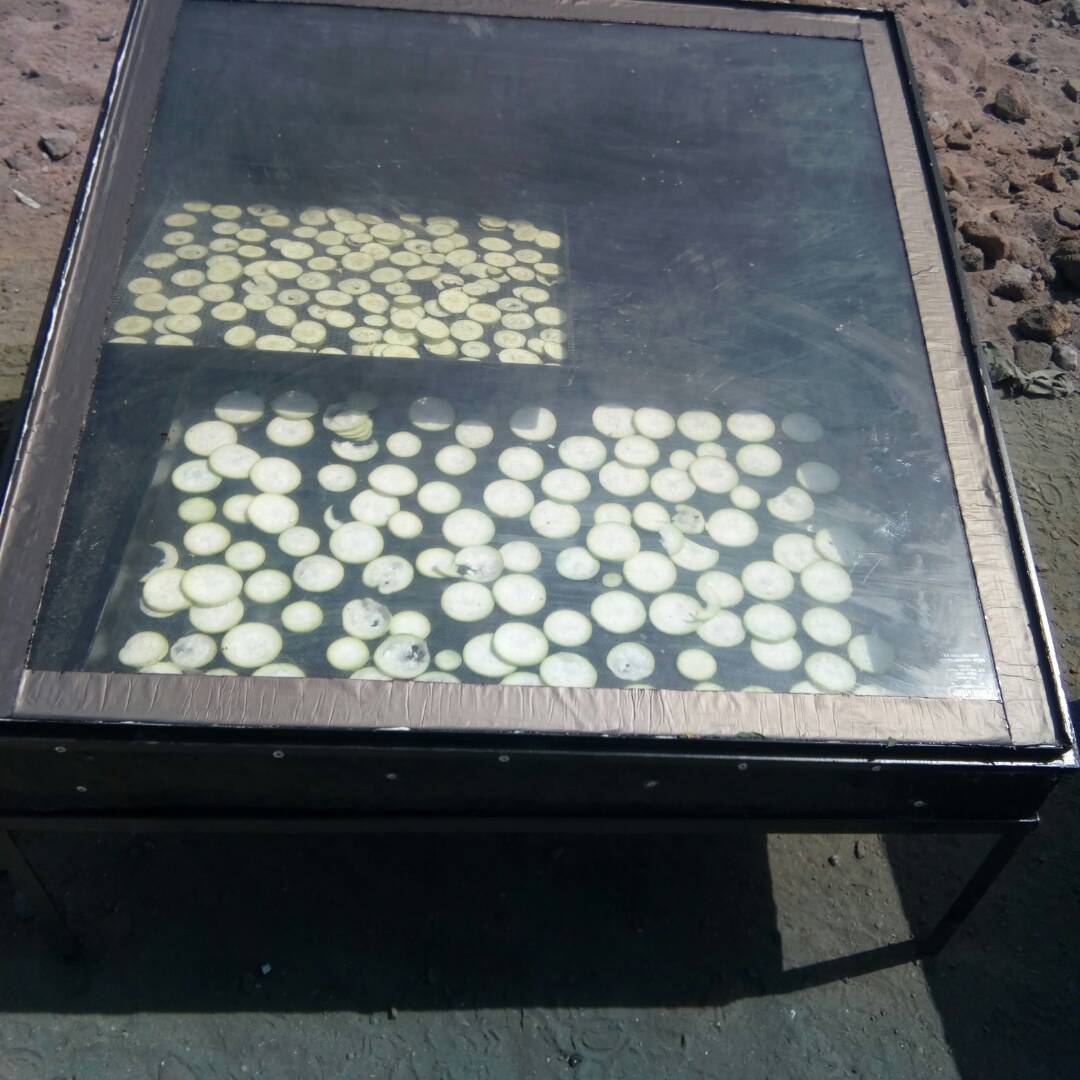
Fresh agricultural products often contain excess moisture at harvest or after washing, slicing and preparation. When moisture is not reduced correctly, products may become difficult to store, grade, mill, grind, package or transport. Traditional open-sun drying may also expose produce to dust, insects, birds, animals, sudden rainfall and changing atmospheric humidity.
Rudra Solar Energy provides customised Commercial Solar Drying Solutions in West Bengal for farmers, Farmer Producer Organizations, Self Help Groups, cooperatives, rural entrepreneurs, MSMEs and food-processing industries. Each solution is evaluated according to the exact product, fresh quantity per day, required final moisture, processing season, installation location and intended commercial output.
Why West Bengal Needs Better Post-Harvest Drying
West Bengal includes several different agricultural environments, ranging from the Himalayan and sub-Himalayan regions in the north to the Gangetic plains, western districts and coastal areas. These regions handle different crops and experience different temperature, rainfall and humidity conditions.
During humid or rainy periods, traditional open drying may become difficult because:
- Products can be exposed to unexpected rainfall.
- Atmospheric humidity may slow moisture removal.
- Partially dried produce may absorb moisture again.
- Repeated covering and movement can increase labour.
- Dust, insects and animals may reach the material.
- Thick product layers may dry unevenly.
- Large open spaces may be required.
- Final moisture may vary within the same batch.
A Commercial Solar Dryer in West Bengal creates an enclosed, tray-based environment where solar thermal energy and organised airflow help remove moisture from technically suitable products.
The enclosed chamber offers better protection than direct open exposure, but a solar dryer should not be described as completely weather-independent. Performance still depends on sunlight, ambient humidity, airflow, product preparation, loading depth and system design.
Cleaner Drying for Rice, Maize, Wheat and Other Grains
Rice, maize and wheat are among the agricultural crops identified in West Bengal’s official crop profile. These grains may require moisture reduction before storage, milling, grading, transportation, packaging or further processing.
A suitable solar drying system may support:
- Paddy before storage or milling
- Maize grains
- Wheat
- Selected millets and cereals
- Seed lots under carefully managed conditions
- Grains intended for institutional or commercial processing
Important grain-drying factors include:
- Initial moisture
- Required final moisture
- Grain variety
- Food or seed use
- Daily processing quantity
- Loading depth
- Airflow
- Storage duration
- Processing season
Grains should not be placed in excessively deep layers because restricted airflow may leave moisture trapped in the lower portion of the batch.
Seed applications require additional care. Excessive temperature may affect germination, so a solar dryer intended for seed-quality grain should be evaluated separately from a system used only for food grains.
The dryer reduces moisture only. It does not mill paddy into rice, grind wheat into flour, roast maize, produce puffed grains or automatically grade the crop.
Commercial Solar Drying for Potato Processing
Potato is one of the important crops listed by the Government of West Bengal. Seasonal harvesting and concentrated market arrivals can create opportunities for dehydration and ingredient processing where suitable raw material and markets are available.
Possible solar-drying applications include:
- Dehydrated potato slices
- Potato cubes
- Ready-to-cook ingredients
- Potato powder raw material after separate grinding
- Ingredients for soups and food mixes
- Raw material for further commercial processing
A typical potato-drying process may include:
- Sorting
- Washing
- Peeling
- Uniform slicing or cutting
- Product-specific blanching or pre-treatment
- Draining excess surface moisture
- Tray loading
- Drying
- Cooling
- Moisture checking
- Packaging
Uniform thickness is important because thin and thick pieces dry at different speeds.
A solar dryer should not be represented as producing fried potato chips. The system reduces moisture and does not fry, roast or cook products in oil.
Fruit-Processing Opportunities
West Bengal’s Directorate of Horticulture maintains current production estimates for fruits and other horticultural categories, demonstrating the importance of the sector within the state. Suitable locally available products may include mango, banana, pineapple, guava, jackfruit, papaya, citrus fruits and other seasonal produce.
Potential outputs include:
- Dried mango slices
- Dried banana pieces
- Pineapple slices
- Guava pieces
- Jackfruit products
- Dried papaya
- Citrus peel
- Fruit-snack ingredients
- Bakery ingredients
- Beverage ingredients
- Fruit powder raw materials after separate grinding
Fresh fruits generally contain high moisture, so the weight of the final dried output can be substantially lower than the fresh input.
Before drying, fruits may require:
- Sorting and grading
- Hygienic washing
- Peeling
- Deseeding
- Uniform slicing
- Product-specific pre-treatment
- Draining
- Even tray arrangement
Slices should not be piled or overlapped unnecessarily because restricted airflow can create wet areas and uneven final moisture.
The dryer does not directly create powder. After drying and cooling, separate grinding, sieving and packaging equipment may be required.
Vegetable Dehydration and Ingredient Processing
West Bengal’s horticulture department publishes production information across vegetables as a major category, supporting the relevance of post-harvest processing and value addition.
Suitable vegetable applications may include:
- Tomato
- Onion
- Garlic
- Chilli
- Okra
- Carrot
- Beetroot
- Cabbage
- Cauliflower
- Peas
- Leafy vegetables
- Seasonal mixed vegetables
Possible final products include:
- Dehydrated tomato pieces
- Onion flakes
- Garlic flakes
- Dried chilli
- Ready-to-cook vegetable mixes
- Soup ingredients
- Institutional-food ingredients
- Raw material for separate powder production
Different vegetables require different preparation methods. Some may require peeling, slicing or blanching, while leafy products may need thin-layer loading and gentler temperatures.
One standard temperature or drying duration should not be used for every product. Tomato, onion, chilli and leafy vegetables have different moisture and airflow requirements.
Chilli, Ginger, Turmeric and Spice Applications
The state’s official crop profile includes ginger and cardamom, while its horticulture department separately tracks spices as a production category.
Commercial solar drying may support suitable applications involving:
- Chilli
- Ginger
- Turmeric
- Garlic
- Coriander
- Cardamom-related material at appropriate stages
- Curry leaves
- Selected culinary herbs
- Other spice ingredients
For spices, commercial quality may depend on:
- Cleanliness
- Colour
- Aroma
- Final moisture
- Uniformity
- Foreign-matter control
- Grinding suitability
- Packaging
- Storage
The solar dryer only removes moisture. Grinding chilli, turmeric or ginger into powder requires separate machinery.
Strong-smelling products should generally be processed in separate batches, followed by thorough cleaning, to reduce odour transfer and cross-contamination.
Tea and Herbal Beverage Ingredients
Tea is included among West Bengal’s important crops, and Darjeeling tea has a distinct protected regional identity. Tea Board India notes that Darjeeling tea is grown in West Bengal and is produced through a specialised plantation and manufacturing system.
A general-purpose solar dryer should not be promoted as replacing the specialised equipment and established processes used in commercial Darjeeling, Dooars or Terai tea manufacturing.
However, solar drying can support technically suitable solid beverage ingredients such as:
- Mint
- Tulsi
- Lemongrass
- Ginger slices
- Hibiscus
- Blue pea flowers
- Citrus peel
- Dried fruit pieces
- Other herbal botanicals
These materials may be sensitive to excessive heat. Appropriate temperature, airflow and tray-loading depth are important for maintaining colour, aroma and appearance.
Only solid ingredients should be placed inside the solar dryer. Liquid tea, juice, syrup, extracts or ready-made beverages should not be shown inside it.
Fish and Coastal Processing Applications
West Bengal has inland, brackish-water and marine fisheries activity. The state’s fisheries policy recognises this diversity, while official fisheries resources also describe coastal shrimp cultivation and value-added product development through cooperative structures.
A purpose-designed solar dryer may support technically suitable fish-drying applications where food safety, hygiene and product-specific operating conditions are carefully managed.
Fish drying requires attention to:
- Freshness
- Cleaning and preparation
- Product thickness
- Salting where relevant
- Temperature
- Airflow
- Odour management
- Final moisture
- Packaging
- Cross-contamination control
Fish should generally not be processed in the same dryer used for fruits, herbs, bakery ingredients or vegetables without a validated cleaning and contamination-control system.
A separate purpose-designed installation is often more practical because fish can leave strong odour and residue and may require stricter hygiene controls.
Who Can Use a Solar Dryer in West Bengal?
Individual Farmers
Farmers can use suitable systems for crop-specific moisture reduction and small-scale value addition. The selected capacity should reflect realistic daily raw-material availability rather than only the maximum harvest available for a few days.
Farmer Producer Organizations
FPOs can establish common processing centres for produce collected from members.
A shared workflow may include:
Collection → weighing → cleaning → preparation → tray loading → drying → cooling → grading → packaging → storage
Capacity should be based on the quantity members will actually supply each day.
Self Help Groups
SHGs can explore products such as:
- Dried fruit slices
- Dehydrated vegetables
- Garlic and onion flakes
- Spice ingredients
- Herbal tea materials
- Ready-to-cook mixes
- Locally branded packaged products
The system should match the group’s labour, slicing capacity, cooling space, packaging ability and market plan.
MSMEs and Food-Processing Industries
Commercial processors may require:
- Larger tray areas
- Forced airflow
- Temperature monitoring
- Humidity monitoring
- Product-specific trays
- Hybrid heating support
- Multiple production batches
- Integration with preparation and packaging lines
West Bengal has a dedicated Department of Food Processing Industries and Horticulture, with separate directorates covering food processing and horticultural development.
Selecting the Right Commercial Solar Dryer Capacity
The correct system should be selected according to fresh or wet input per batch or per day.
Customers should provide:
- Exact product
- Product form
- Fresh quantity per day
- Required batch capacity
- Initial moisture, if known
- Required final moisture
- Product size or slice thickness
- Processing season
- Number of batches
- Installation-space dimensions
- Electricity availability
- Required final output
- Future expansion plans
Fresh input and dried output should not be treated as the same quantity because moisture and weight are removed during processing.
Evaluate Usable Tray Area
Buyers should confirm:
- Number of trays
- Individual tray dimensions
- Total usable tray area
- Tray material
- Mesh size
- Recommended loading depth
- Ease of cleaning
External chamber dimensions alone do not explain practical drying capacity.
Understand the Airflow System
Heat supports evaporation, but humid air must leave the chamber.
Poor airflow can result in:
- Slow drying
- Condensation
- Wet spots
- Moisture variation
- Longer batch times
- Product deterioration
Depending on the design, airflow may be natural, fan-assisted or integrated into a hybrid system.
Performance During Humid and Rainy Conditions
A Commercial Solar Dryer provides better physical protection from direct rain than open-sun drying, but its performance still changes with weather.
During cloudy or humid conditions:
- Chamber temperature may be lower.
- Drying time may increase.
- Tray loading may need to be reduced.
- Ventilation becomes more important.
- Final moisture must be checked carefully.
- Hybrid heat may be considered for continuous production.
Fans improve air movement but do not create solar heat by themselves.
Businesses requiring night-time, monsoon or year-round production should discuss an appropriate auxiliary heating arrangement before finalising the system.
Product Quality, Cooling and Packaging
The drying process should continue into proper cooling, packaging and storage.
Important practices include:
- Use suitable raw material.
- Remove spoiled or damaged products.
- Maintain uniform slicing.
- Keep trays and tools clean.
- Avoid overloading.
- Monitor drying progress.
- Confirm final moisture.
- Cool products in a clean area.
- Package promptly after cooling.
- Use moisture-resistant packaging.
- Store in a clean and dry environment.
- Maintain batch records.
Warm products should not be sealed immediately because condensation may develop inside the package.
Dried products should also not remain exposed to humid air for unnecessarily long periods.
Shelf life depends on raw-material quality, final moisture, hygiene, packaging and storage. Solar drying alone does not guarantee a fixed shelf life.
Rudra Solar Energy’s Approach in West Bengal
Rudra Solar Energy provides customised Commercial Solar Drying Solutions across West Bengal for:
- Farmers
- FPOs
- SHGs
- Cooperatives
- Rural entrepreneurs
- MSMEs
- Food-processing industries
- Herbal-product businesses
- Purpose-specific fisheries processors
Systems can be evaluated for:
- Rice and food grains
- Potato
- Fruits and vegetables
- Chilli and spices
- Herbs and beverage botanicals
- Pulses and oilseeds
- Bakery ingredients
- Dedicated fish-processing applications
- Other technically suitable products
The recommended configuration is planned according to:
- Exact product
- Fresh daily quantity
- Initial and required final moisture
- Tray requirement
- Airflow
- Project district
- Processing season
- Available installation space
- Power availability
- Required final output
- Future expansion
Depending on the agreed project scope, support may include system selection, manufacturing, installation coordination, operator guidance and after-sales requirements.
Rudra Solar Energy does not position one standard machine as suitable for every product. The dryer should match the customer’s actual processing objective.
Build a Cleaner Value-Addition Process in West Bengal
West Bengal’s agricultural, horticultural, tea and fisheries economy provides significant potential for cleaner post-harvest moisture management and organised food processing.
A properly selected Commercial Solar Dryer in West Bengal can support suitable grains, potato, fruits, vegetables, spices, herbs, beverage botanicals and purpose-specific fish products.
Compared with direct open-sun drying, an enclosed tray-based system can reduce direct exposure to dust, insects, birds, animals and sudden rainfall while supporting more organised airflow and batch handling.
For a customised recommendation from Rudra Solar Energy, share:
- Exact product name
- Fresh quantity per day
- Required dried output
- Current drying method
- Project district in West Bengal
- Processing season
- Available installation area
- Electricity availability
- Site photographs or videos