
Solar Drying in Maharashtra: A Sustainable Solution for Agriculture, Food Processing, Fisheries, and Rural Enterprises
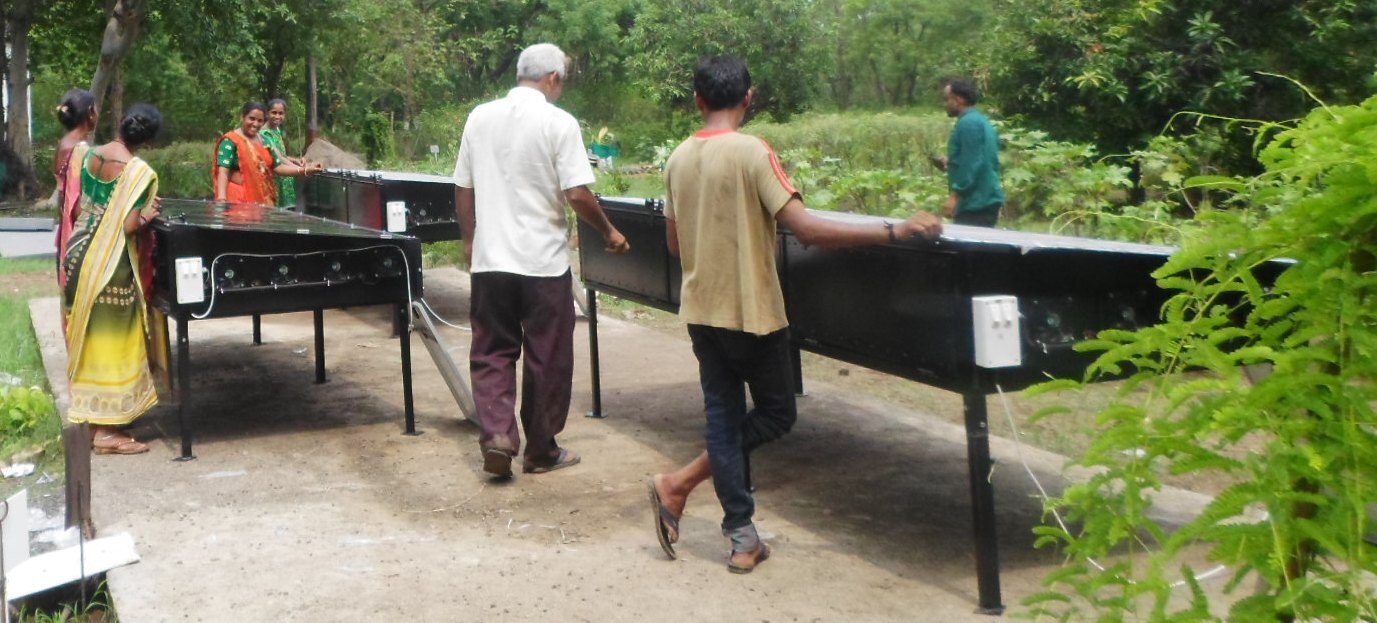
Maharashtra is one of India's most important agricultural and horticultural states, producing millions of tonnes of fruits, vegetables, spices, medicinal plants, flowers, fish, and forest produce every year. However, a significant portion of this produce is lost due to inadequate drying and storage facilities. Solar Drying in Maharashtra is emerging as a practical and profitable solution for reducing post-harvest losses, improving product quality, and creating value-added products.
With increasing demand for healthy, preservative-free, and naturally processed foods, Solar Drying Technology in Maharashtra is helping farmers, FPOs, SHGs, food processing industries, NGOs, cooperatives, exporters, and rural entrepreneurs convert perishable produce into high-value products with longer shelf life.
Why Solar Drying is Important in Maharashtra
Maharashtra experiences high agricultural production but also faces challenges such as:
- Seasonal gluts
- Market price fluctuations
- Monsoon-related spoilage
- High moisture content in produce
- Storage losses
- Transportation challenges
Solar Drying in Maharashtra offers a cost-effective and environmentally friendly method to preserve produce while maintaining its nutritional value, color, aroma, and quality.
Unlike traditional open sun drying, Solar Drying Systems in Maharashtra provide controlled drying conditions that protect products from dust, insects, rain, birds, rodents, and contamination.
Solar Drying of Fruits in Maharashtra
Maharashtra is India's leading producer of several fruits, making Solar Drying of Fruits in Maharashtra a rapidly growing sector.
Solar Drying of Mango
Mango is one of Maharashtra's most important fruit crops. Solar drying helps produce:
- Dried Mango Slices
- Mango Leather
- Mango Powder
- Mango Value Added Products
Solar Drying of Grapes
Nashik and surrounding regions are famous for grape cultivation.
Solar drying is used for:
- Raisin Production
- Premium Dried Grapes
- Export Quality Products
Solar Drying of Banana
Banana growers use solar dryers for:
- Banana Chips
- Dried Banana Slices
- Banana Powder
Solar Drying of Pomegranate
Pomegranate arils can be processed into:
- Anardana
- Dried Pomegranate Products
Solar Drying of Amla
Amla can be converted into:
- Dried Amla
- Amla Powder
- Nutraceutical Products
Solar Drying of Vegetables in Maharashtra
The demand for Solar Drying of Vegetables in Maharashtra is increasing among food processors and exporters.
Solar Drying of Onion
Maharashtra is a major onion-producing state.
Applications include:
- Onion Flakes
- Onion Powder
- Dehydrated Onion Products
Solar Drying of Tomato
Tomatoes can be processed into:
- Tomato Flakes
- Tomato Powder
- Sun Dried Tomato Products
Solar Drying of Green Chilli
Solar drying preserves:
- Color
- Pungency
- Shelf Life
Solar Drying of Garlic
Solar dryers help produce export-quality dehydrated garlic.
Solar Drying of Beetroot, Carrot, Cabbage, Okra and Leafy Vegetables
These products are increasingly used by:
- Food Industries
- Hotels
- Institutional Kitchens
- Ready-to-Eat Food Manufacturers
Solar Drying of Spices in Maharashtra
Solar Drying of Spices in Maharashtra is becoming essential for maintaining spice quality.
Solar Drying of Turmeric
Used for:
- Turmeric Fingers
- Turmeric Powder Production
Solar Drying of Ginger
Ideal for:
- Dry Ginger
- Ginger Powder
Solar Drying of Chilli
Produces premium-quality dried chilli with superior color retention.
Solar Drying of Coriander, Cumin and Other Spices
Solar drying improves marketability and storage life.
Solar Drying of Medicinal and Herbal Plants in Maharashtra
The herbal and nutraceutical industry requires controlled drying.
Solar Drying of Moringa Leaves
Produces high-quality:
- Moringa Powder
- Herbal Supplements
Solar Drying of Tulsi
Maintains essential oils and medicinal properties.
Solar Drying of Ashwagandha
Supports herbal processing and export markets.
Solar Drying of Medicinal Herbs
Suitable for Ayurvedic and pharmaceutical applications.
Solar Drying of Flowers in Maharashtra
Solar Drying of Flowers in Maharashtra is widely used for:
- Rose Petals
- Marigold
- Hibiscus
- Jasmine
Applications include:
- Herbal Tea
- Cosmetics
- Potpourri
- Decorative Products
Solar Drying of Fish and Seafood in Maharashtra
Maharashtra's coastal districts including Ratnagiri, Sindhudurg, Mumbai, Raigad, and Palghar have significant fisheries activities.
Solar Drying of Fish
Benefits include:
- Hygienic Processing
- Better Product Quality
- Reduced Contamination
- Extended Shelf Life
Solar Drying of Shrimp and Seafood
Growing demand in export and domestic markets is driving adoption of Solar Fish Dryers in Maharashtra.
Solar Drying for SHGs in Maharashtra
Women Self Help Groups are using Solar Drying Technology in Maharashtra to manufacture:
- Fruit Powders
- Vegetable Powders
- Spice Powders
- Herbal Products
- Value Added Foods
Solar drying supports:
- Rural Livelihoods
- Women Entrepreneurship
- Income Generation
- Village-Level Food Processing
Solar Drying for FPOs in Maharashtra
Farmer Producer Organizations are adopting Solar Drying Solutions in Maharashtra to:
- Reduce Post-Harvest Losses
- Aggregate Produce
- Create Branded Products
- Increase Farmer Income
- Improve Market Access
Solar Drying for Food Processing Industries in Maharashtra
Food processing companies are increasingly investing in:
- Commercial Solar Dryers
- Industrial Solar Dryers
- Hybrid Solar Dryers
Applications include:
- Fruit Processing
- Vegetable Processing
- Spice Processing
- Herbal Processing
- Fish Processing
Solar Drying in Major Agricultural Regions of Maharashtra
The demand for Solar Drying in Maharashtra is growing rapidly in:
- Solar Drying in Pune
- Solar Drying in Nashik
- Solar Drying in Nagpur
- Solar Drying in Mumbai
- Solar Drying in Kolhapur
- Solar Drying in Satara
- Solar Drying in Sangli
- Solar Drying in Solapur
- Solar Drying in Jalgaon
- Solar Drying in Ahmednagar
- Solar Drying in Chhatrapati Sambhajinagar
- Solar Drying in Ratnagiri
- Solar Drying in Sindhudurg
- Solar Drying in Nanded
- Solar Drying in Amravati
- Solar Drying in Akola
- Solar Drying in Chandrapur
Why Businesses Prefer Solar Drying in Maharashtra
Modern Solar Drying Systems in Maharashtra provide:
- Faster Drying
- Better Product Quality
- Food Safety
- Reduced Drying Time
- Improved Shelf Life
- Reduced Post-Harvest Losses
- Sustainable Processing
- Low Operating Cost
- Renewable Energy Utilization
- Higher Market Value
Solar Drying in Maharashtra with Rudra Solar Energy
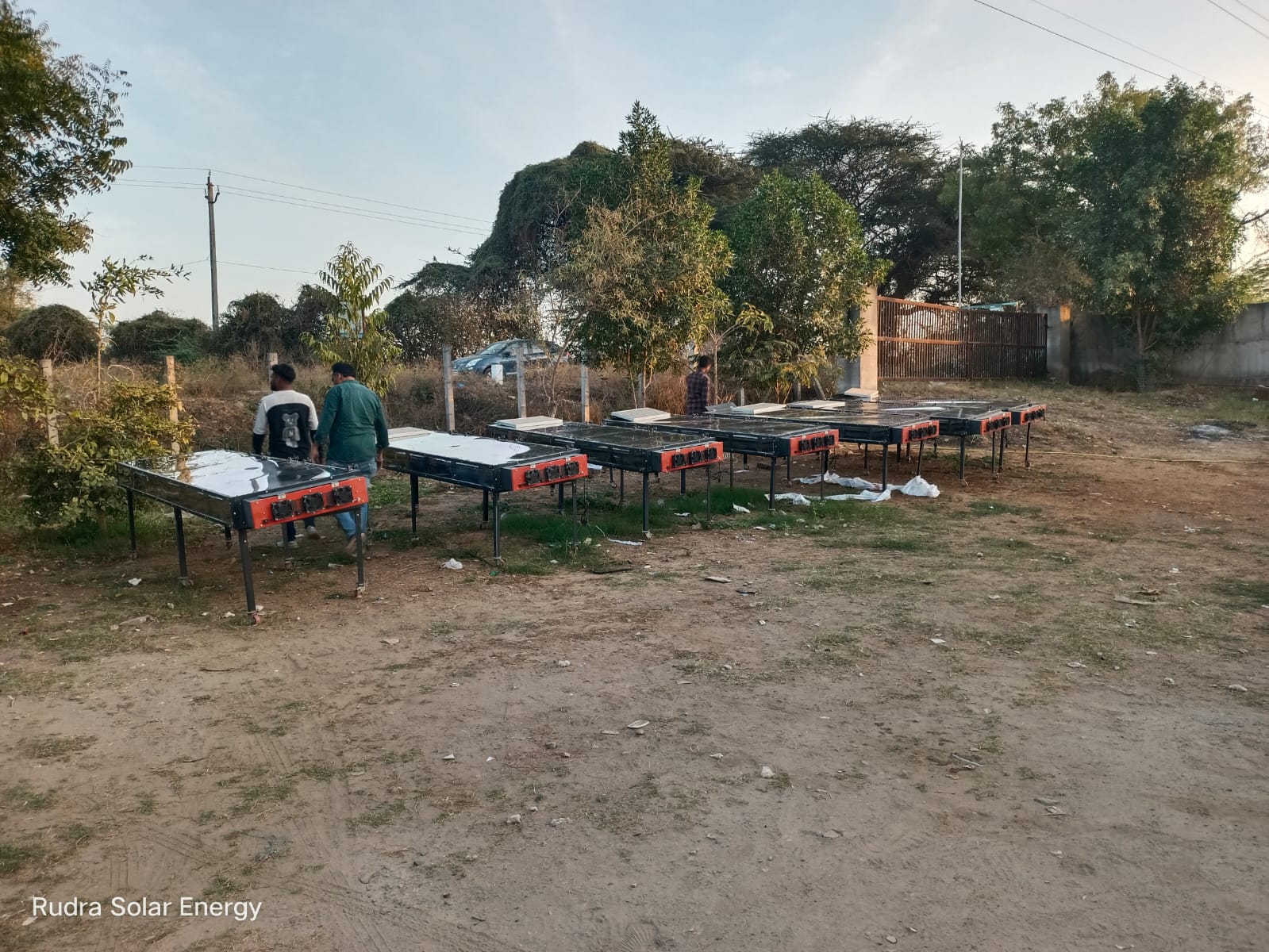
Rudra Solar Energy Pvt. Ltd. provides advanced Solar Drying Solutions in Maharashtra for fruits, vegetables, spices, herbs, flowers, fish, seafood, medicinal plants, and agricultural commodities. The company's food-grade Solar Dryers in Maharashtra, Commercial Solar Dryers in Maharashtra, Hybrid Solar Dryers in Maharashtra, Industrial Solar Dryers in Maharashtra, and Agricultural Solar Dryers in Maharashtra are helping farmers, SHGs, FPOs, NGOs, food processing units, and entrepreneurs reduce losses, increase profitability, and build sustainable businesses.
Frequently Asked Questions (FAQ) – Solar Drying in Maharashtra
1. What is Solar Drying in Maharashtra?
Solar Drying in Maharashtra is the process of removing moisture from fruits, vegetables, spices, herbs, fish, flowers, and agricultural products using solar energy in a controlled and hygienic environment. Solar drying helps reduce post-harvest losses while improving product quality and shelf life.
2. Why is Solar Drying important for Maharashtra farmers?
Maharashtra is a major producer of mango, grapes, onion, tomato, banana, pomegranate, chilli, turmeric, ginger, moringa, fish, and medicinal plants. Solar Drying in Maharashtra helps farmers reduce wastage, preserve surplus produce, increase shelf life, and generate additional income through value-added products.
3. What products can be processed using Solar Drying in Maharashtra?
Solar Drying in Maharashtra is suitable for:
- Mango
- Grapes
- Banana
- Pomegranate
- Amla
- Onion
- Tomato
- Chilli
- Turmeric
- Ginger
- Garlic
- Moringa Leaves
- Tulsi
- Medicinal Herbs
- Flowers
- Fish
- Shrimp
- Coconut
- Mushrooms
- Leafy Vegetables
and hundreds of other agricultural commodities.
4. What are the benefits of Solar Drying compared to open sun drying?
Solar Drying in Maharashtra provides:
- Faster drying
- Better product quality
- Improved hygiene
- Dust-free processing
- Insect-free drying
- Protection from rain
- Reduced contamination
- Better colour retention
- Longer shelf life
- Higher market value
5. Which is the best Solar Dryer in Maharashtra?
The best Solar Dryer in Maharashtra should offer food-grade construction, efficient airflow, durable materials, weather protection, and reliable after-sales support. Businesses typically look for Commercial Solar Dryers, Hybrid Solar Dryers, and Agricultural Solar Dryers designed for Maharashtra's climate conditions.
6. What is the difference between a Solar Dryer and a Hybrid Solar Dryer?
A Solar Dryer operates primarily using solar energy, while a Hybrid Solar Dryer includes an additional heating system that allows drying during cloudy weather, monsoon conditions, or low solar radiation periods.
7. Can Solar Drying be used during the monsoon season in Maharashtra?
Yes. Hybrid Solar Dryers in Maharashtra can continue drying operations during cloudy weather and monsoon conditions, ensuring year-round processing capability.
8. Is Solar Drying suitable for commercial food processing?
Yes. Commercial Solar Dryers in Maharashtra are widely used by food processing companies, FPOs, exporters, cooperatives, and agro-industries for processing fruits, vegetables, spices, herbs, fish, and value-added food products.
9. How does Solar Drying help increase farmer income?
Solar Drying in Maharashtra allows farmers to convert perishable produce into value-added products such as dried fruits, vegetable flakes, spice powders, herbal powders, and fish products, which often command higher market prices than fresh produce.
10. Can SHGs use Solar Dryers for income generation?
Yes. Solar Dryers for SHGs in Maharashtra are widely used for producing:
- Moringa Powder
- Spice Powders
- Dried Fruits
- Vegetable Powders
- Herbal Products
- Traditional Food Products
This creates livelihood opportunities and supports women entrepreneurship.
11. How do FPOs benefit from Solar Drying in Maharashtra?
Solar Drying for FPOs in Maharashtra helps:
- Reduce post-harvest losses
- Aggregate produce
- Increase product shelf life
- Create branded products
- Improve farmer profitability
- Access premium and export markets
12. What is the drying time in a Solar Dryer?
Drying time depends on the product, moisture content, weather conditions, and dryer capacity. Most fruits, vegetables, herbs, and spices can be dried significantly faster than traditional open sun drying methods.
13. Is Solar Drying suitable for fish and seafood processing?
Yes. Solar Fish Drying in Maharashtra is becoming increasingly popular because it offers hygienic drying conditions, better product quality, reduced contamination, and longer shelf life compared to traditional fish drying methods.
14. What industries use Solar Drying in Maharashtra?
Industries using Solar Drying include:
- Food Processing
- Agriculture
- Fisheries
- Herbal Processing
- Ayurveda
- Nutraceuticals
- Floriculture
- Spice Processing
- Organic Food Manufacturing
- Export-Oriented Processing Units
15. Why is Solar Drying considered a sustainable technology?
Solar Drying in Maharashtra uses renewable solar energy, reduces dependence on conventional fuels, lowers operating costs, minimizes carbon emissions, and supports environmentally sustainable food processing practices.
16. Which districts have high potential for Solar Drying in Maharashtra?
High-potential regions include:
- Pune
- Nashik
- Nagpur
- Mumbai
- Kolhapur
- Sangli
- Satara
- Solapur
- Jalgaon
- Ahmednagar
- Chhatrapati Sambhajinagar
- Ratnagiri
- Sindhudurg
- Nanded
- Amravati
- Akola
- Chandrapur
where large quantities of agricultural and fisheries products are produced.
17. What should be considered before purchasing a Solar Dryer in Maharashtra?
Key factors include:
- Product type
- Daily processing capacity
- Drying efficiency
- Food-grade construction
- Hybrid heating option
- Ease of operation
- Durability
- After-sales support
- Expansion possibilities
18. Can Solar Drying support export-oriented food processing?
Yes. Solar Drying in Maharashtra helps produce high-quality dehydrated fruits, vegetables, spices, herbs, and fish products that meet the quality requirements of domestic and international markets.
19. What is the future of Solar Drying in Maharashtra?
With increasing focus on food preservation, value addition, climate-smart agriculture, renewable energy, and rural entrepreneurship, Solar Drying in Maharashtra is expected to play a major role in strengthening agricultural supply chains and improving farmer incomes.
20. Why is Solar Drying becoming popular among farmers, SHGs, FPOs, NGOs, and food processors?
Solar Drying in Maharashtra offers a practical solution for reducing post-harvest losses, increasing shelf life, improving product quality, creating value-added products, generating employment, and promoting sustainable agricultural development across the state.